

Here to help with tableting pains
Join the regular open sessions or book a personal consultation with our experts.
Common Defects, Root Causes & Practical Solutions
We would like to sincerely thank BIOGRUND for this excellent technical resource, which has been featured and highlighted by Dr. TaBlitz. Their expertise in film coating and tableting continues to support teams worldwide.
Why Troubleshooting in Tableting Matters
Tablet manufacturing is a complex interplay of formulation, process parameters, and equipment. Even small deviations can result in defects that impact product quality, performance, and manufacturability.
This topic will be addressed in the Dr. TaBlitz Live Sessions starting April 14, 2026. Subscribe on the TaBlitz YouTube channel to get access.

Achieving robust and reproducible tablet quality requires a clear understanding of how formulation properties, compression settings, and tooling interact. When issues arise, identifying whether the root cause lies in the formulation, the process, or the equipment is essential for effective troubleshooting.
This troubleshooting guide highlights the 10 most common tableting defects, along with their typical causes and practical remedies.
Thanks for following Dr. TaBlitz for regular updates on tablet technology.
1. Capping & Lamination
Problem: Horizontal separation of the tablet (top or multiple layers).
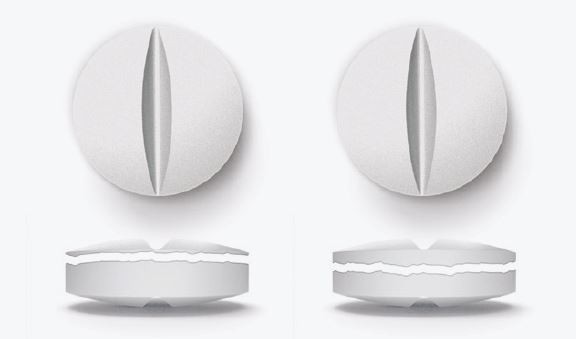
Typical causes:
Excess fines or poor granule distribution
Low moisture or insufficient binding
High compression force or press speed
Air entrapment
Solutions:
Optimize granule composition and binder system
Adjust moisture levels
Reduce compression speed and improve pre-compression
Use appropriate tooling (e.g. conical dies)
2. Sticking to Punches
Problem: Material adheres to punch faces.
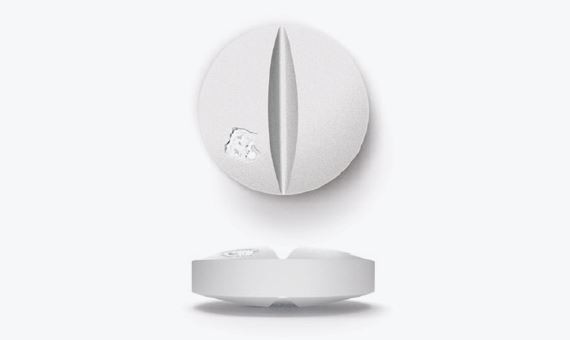
Typical causes:
Inadequate drying
Insufficient lubrication
Overuse of binders or waxy materials
Rough punch surfaces
Solutions:
Improve drying and lubrication
Adjust formulation balance
Polish or replace tooling
3. Cracking
Problem: Fine cracks on tablet surfaces or edges.
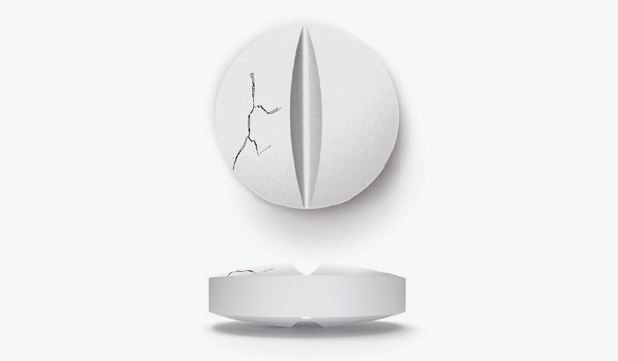
Typical causes:
Large or overly dry granules
Air entrapment during compression
Improper temperature conditions
Solutions:
Optimize particle size distribution
Adjust moisture and binder levels
Improve compression conditions
4. Chipping
Problem: Edge breakage during compression or handling.
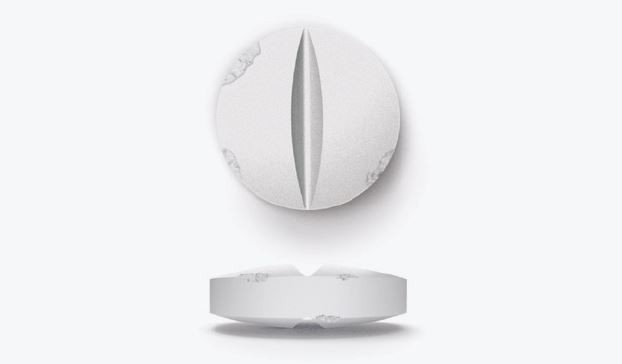
Typical causes:
Dry granulation
Excessive binding at localized areas
Poor punch design
Solutions:
Balance binder and moisture
Modify punch geometry
Improve lubrication
5. Binding
Problem: Tablets stick or tear in the die during ejection.
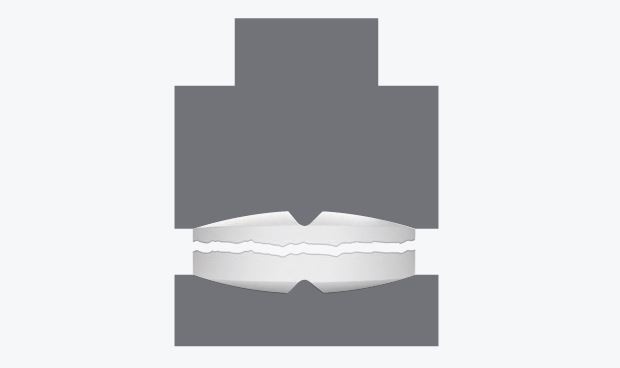
Typical causes:
Excess moisture
Insufficient lubrication
Sticky formulation or worn tooling
Solutions:
Optimize drying and lubrication
Reduce temperature if needed
Replace or maintain tooling
6. Weight Variation
Problem: Inconsistent tablet weight.
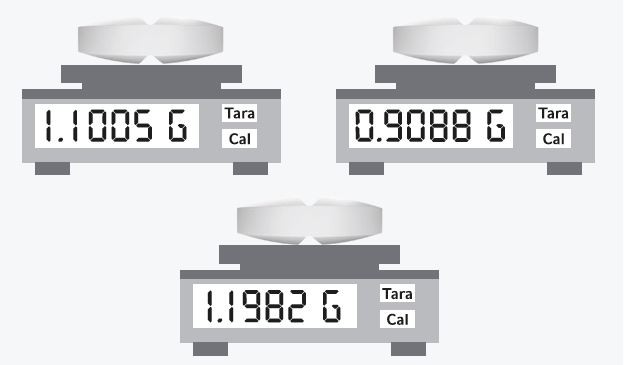
Typical causes:
Poor flowability
Non-uniform particle size distribution
High press speed / short fill time
Solutions:
Improve granulation and flow properties
Adjust press speed and fill time
Use flow enhancers
7. Hardness Variability
Problem: Tablets too soft or too brittle.
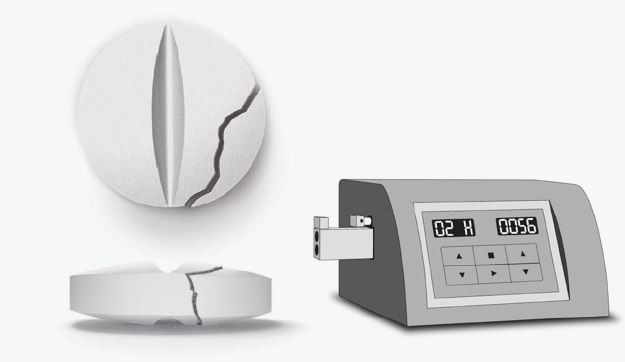
Typical causes:
Inconsistent bulk density
Poor granule uniformity
Insufficient compression force
Solutions:
Improve granule homogeneity
Optimize binder system
Adjust compression force
8. Friability (High Abrasion)
Problem: Tablets break or wear easily.
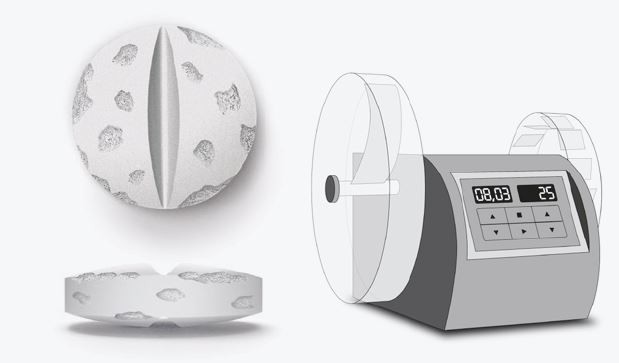
Typical causes:
Weak particle bonding
Entrapped air
Inadequate compression
Solutions:
Improve cohesion of powder blend
Optimize compression settings
Reduce air entrapment
9. Mottling
Problem: Uneven color distribution on the tablet surface, giving a spotted or mottled appearance.
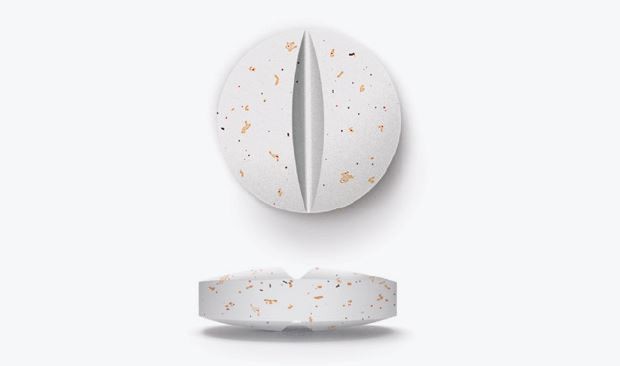
Typical causes:
Poor distribution of colorants in the blend
Migration of dyes during drying
Differences in raw material color
Inadequate mixing
Solutions:
Improve blending uniformity
Review the choice of colorant and method of incorporation
Control drying conditions more carefully
Minimize color migration by optimizing formulation and process parameters
10. Prolonged Dissolution / Disintegration
Problem: Tablets dissolve or disintegrate too slowly, which can negatively affect product performance.
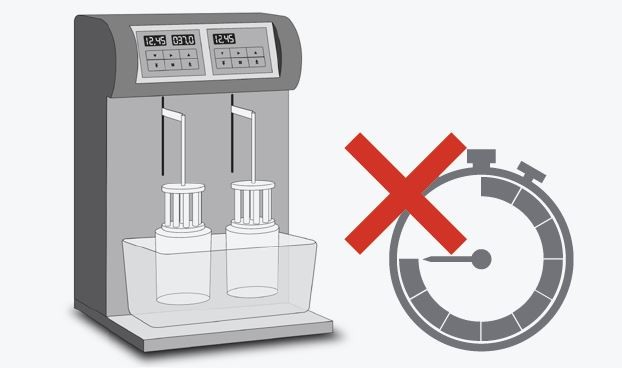
Typical causes:
Excessive compression force leading to very hard tablets
Inadequate disintegrant level or poor disintegrant distribution
Over-lubrication
Improper binder balance
Hydrophobic excipient effects
Solutions:
Reduce compression force where appropriate
Optimize disintegrant type, level, and distribution
Avoid over-lubrication
Review binder and excipient selection
Key Takeaways
Most tableting defects are not caused by a single factor alone. In many cases, the issue results from a combination of formulation properties, granulation quality, machine settings, and tooling conditions.
BIOGRUND’s guide is a practical resource for understanding common tableting defects and improving process reliability, product quality, and manufacturing efficiency.
Like this? Please follow Dr. TaBlitz on LinkedIn.
Dr. TaBlitz is a collaboration of Natoli Scientific, TaBlitz, PharmaExcipients.com and all4nutra.com.


